Village Life Insights

Realizations of the Spiritual Master

Image
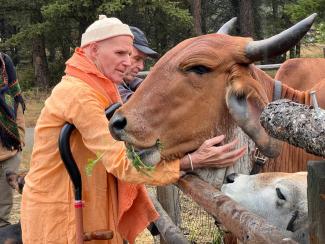
maharaj

"The realization I clearly get, in reading various passages from Srila Prabhupäda’s books, is that devotees should not live in the cities. 

We should not build our homes and the future of our children in the cities. We should only go or commute to the cities to do our business; we should avoid them as much as we can. 

If a devotee is living in a city and is not preaching, he is in the wrong place; he should not be there. We are in the cities because the majority of people are there and that we want to preach to them.  But Srila Prabhupäda pointed that our preaching will be ineffective if we do not have a model to show. 

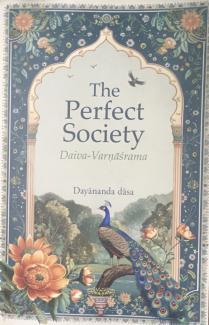
The Perfect Society: Daiva-Varṇāśrama

Image
book cover

This is the first in a series of posts dedicated to exploring ideas shared in Dayānanda dāsa's work, "The Perfect Society: Daiva-Varṇāśrama".

This beautiful book was gifted to us through our wish list, and it offers an abundance of relevant insights into our practical mission here on the ground.

In the last 150 years, those in cities, towns and villages throughout the world have become pampered and softened by in-house water, electricity, in-house bathrooms, motor vehicles, easy access to amenities, and myriad technologies.

Over the last 100 years, many countries have provided social services like retirement pensions, welfare assistance, health care, and more.

All those technological and social advantages have made people unable or unwilling to follow the disciplines required for simple rural living"  

Vedic Eco Village Cooperative: Who is it For?

Image
produce

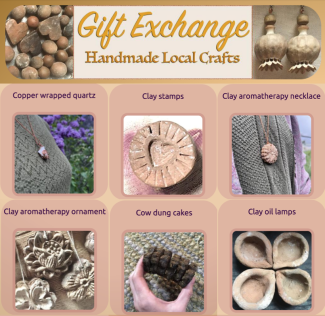
Vedic Eco Village Cooperative is a not-for-profit co-op that helps artisans and farmers produce and market quality products.

Services of the cooperative to farmers include tree and plant nursery, bulk purchasing, farm equipment rental, and soil amendments.  The cooperative will also provide business support like microfinancing and training.

Services of the cooperative to producers include product value-adding and marketing, business planning and education.

This business model allows independent farmers and producers to engage in business under the umbrella of the co-op as a registered BC business. 

As a not-for-profit cooperative, all extra proceeds are invested into equipment and education. 

What to Bring With You

Image
Rainbow

When visiting the eco village, what to bring depends on the length of stay. 

If you are coming for a weekend or festival, these items will be useful:

  • flashlight
  • sleeping bag
  • warm clothes
  • work gloves
  • tissue paper

If you don't have these, there are some available at the communal facility

For a longer stay, you might consider these additional items:

  • tent or trailer
  • axe or hatchet
  • water vessels
  • good shoes
  • dry goods

If you want to charge devices, run computers or kitchen appliances, you might want to bring an independent power system ie: solar panels and battery bank

What you bring depends on your needs and capacity. We have everything required for basic necessities. 

Expounding on Intoxication

Image
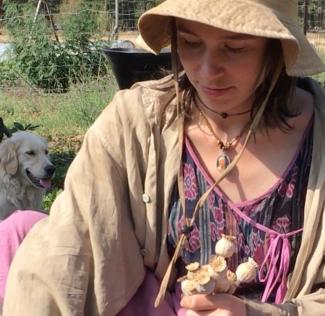
poppy

One of the four regulative principals of spiritual life is abstaining from intoxication. For most, this is defined simply as no drinking, smoking, or drugs. For some, the category is expanded to caffeine (coffee, tea, chocolate). In the village, the definition goes deeper, because in Kali Yuga, toxins are everywhere, and of every kind.

We define intoxication as being inundated with toxins. This can be a result of environment, consumption, food combining, etc. Let's break these down:

Environment. The air, water, and soil which feeds us is infused with toxins, heavy metals, forever chemicals, and micro plastics. We cannot fully avoid these contaminants, but we can make the effort not to compound them into our bodies. 

Why We Don't Offer Wheat, Sugar, or Dairy

Image
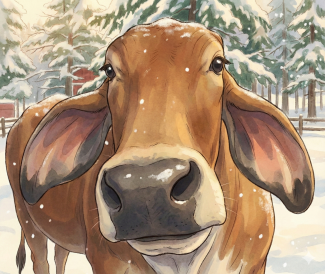
Gomata Varuni

The choice not to offer or consume these three can be a big adjustment, especially since they can be found in most staples of the modern western diet. It's not a matter of renouncing them completely, rather replacing them with alternatives that promote health and balanced nutrition. Ancient grains, unrefined sweeteners, and eventually, milk products that come from the cows we protect; all are a part of the lifestyle here.

Let's address them one by one:

Ahimsa and Coexistence in Nature

Image
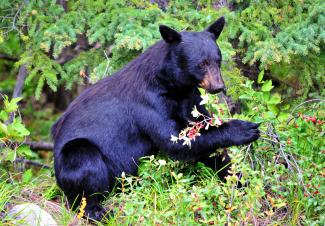
bear-eats-berries

Vedic Living in the Wild

The Vedic Eco Village is situated in a mountain valley surrounded by dense forest. Villagers and visitors must coexist with many creatures, big and small, and take responsibility for the welfare of all.

Rodents: From tiny mice to fluffy packrats, everyone is looking for food, and human settlements are abundant sources. Please ensure all food items are kept inside buildings, and stored in rodent-proof containers (ideally glass or metal, they can chew through plastic and wood). Catch and release methods only, no lethal snap or sticky traps.

Ahimsa: Beyond Milk

Video file
Ahimsa in kali yuga

Vedic culture shows is that there is a right way to milk a cow. Upon seeing her calf, the mother releases milk as an expression of love and affection. Milk must be taken only when the calf is satisfied. If a cow loves you as her child, she will release milk for you.  

Cow contribute everything that is required for agriculture. Their dung, urine, and hooves fertilize and perforate the soil. They give birth to bulls which can be engaged in ploughing, milling, and transportation.  

In the cycle of cow products, consumption of dairy is a secondary consideration. Fire sacrifice brings rain, rain nourishes the fields, which feed the cows, cows produce milk which is made into ghee and used in fire sacrifice.

The Meaning of Pioneering

Image
rama strawberry

Vedic Eco Village is in the pioneering phase. Pioneering means doing something that has not been done before. Synonyms like groundbreaking and trailblazing can also be used literally for the work happening here. In the context of community development, it refers to introducing systems and infrastructure that allow more people to plug in.

Vedic Villages have certainly been done before, but not in the Canadian climate amidst the collapse of modern civilization. This is our novelty and what sets our innovations and challenges apart.

The Vedic Eco Village in Western Canada has been pioneered for eight years, the time it takes to establish fruit orchards, build soil, implement waterlines, roads, landing sites and forest stewardship practices. 

Pets in the Eco Village

Pets are welcome at Vedic Eco Village. Bringing animals into a natural habitat is a great service for them and their human companions.

Here are some things to consider if want to share the experience with non-human family members:

Natural predators: Depending on the species and size of your pets, there is always the risk of becoming prey to the native inhabitants like coyotes, cougars, bears, eagles, owls and hawks. Protecting your animals might require containment methods like keeping them inside or fencing a secure area. Also being mindful of the reverse situation, and not allowing pets to disturb the natural ecosystem.